 listicle
Self Help for Skeptical Moms: Realistic Strategies That Work
Table of Contents
- Why Most Self Help Advice Fails Skeptical Moms
- Daily Habits for Intentional Parenting Without the Overwhelm
- Realistic Self-Care for Busy Moms Who Don't Have Time for Bubble Baths
- How a 10-Minute Manifestation Journal for Moms Cuts Through the Fluff
- Low-Energy and Low-Budget Hacks for Stress Relief
- Building a Support System When You're Skeptical of Therapy Apps
- Conclusion: Progress Over Perfection
- Frequently Asked Questions
Last Updated: October 2, 2026
Why Most Self Help Advice Fails Skeptical Moms
Most self help for skeptical moms fails for one reason: it treats exhaustion like a mindset problem when it's usually a logistics problem. The average mother already manages a mental load that would break a project manager, so advice that begins with "just wake up an hour earlier" lands as one more item on an impossible list. This guide from SSBGMARKETINGINC. takes a different route. It assumes you're smart, tired, and allergic to fluff, then offers strategies that survive contact with a real Tuesday.
The Problem With Toxic Positivity
Toxic positivity is the insistence that you should feel grateful and calm regardless of what's actually happening. It shows up as "good vibes only" memes and journals that demand you smile through a meltdown.
For skeptical moms, this backfires. Forcing a positive emotion you don't feel creates guilt on top of stress. Emotional regulation research from the American Psychological Association consistently points to acknowledging feelings as the first step, not skipping past them. A mom who admits "this week was awful" is regulating her emotions. A mom who pretends it wasn't is just adding dishonesty to the load.
What Evidence-Based Self-Care Actually Looks Like
Evidence-based self-care is any practice with a clear mechanism and a measurable outcome, not a feeling. Deep breathing slows the nervous system. Sleep hygiene improves mood and patience. Boundaries reduce resentment.
The test is simple: can you describe what the practice does and how you'd know it worked? "Take a bubble bath" fails that test. "Ten minutes of deep breathing before school pickup to lower my heart rate" passes it.
Daily Habits for Intentional Parenting Without the Overwhelm
Daily habits for intentional parenting work best when they're small enough to survive a bad day. The goal isn't a perfect morning routine. It's a repeatable anchor that keeps you connected to your kids even when the schedule collapses.
Start with one habit, not five. Pick a trigger you already have, like the first sip of coffee or the school drop-off line. Attach the new habit to that trigger so it doesn't require a decision.
Starting With Just Five Minutes
Five minutes is enough for a real habit if you use it deliberately. Try one of these:
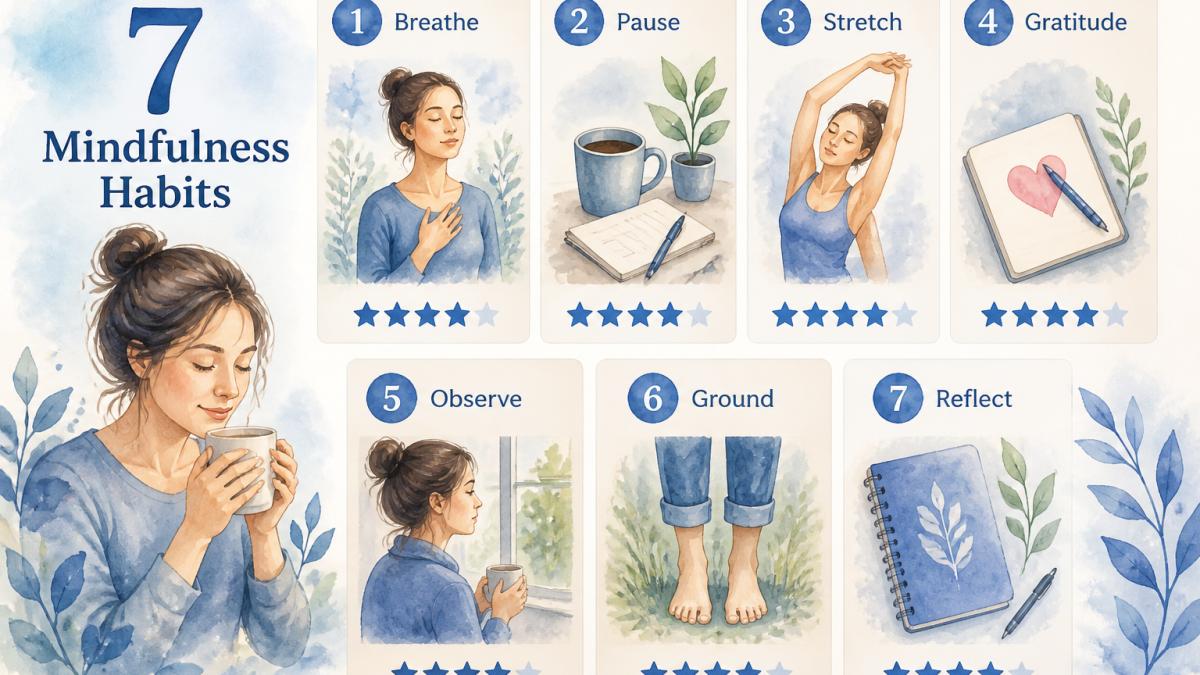
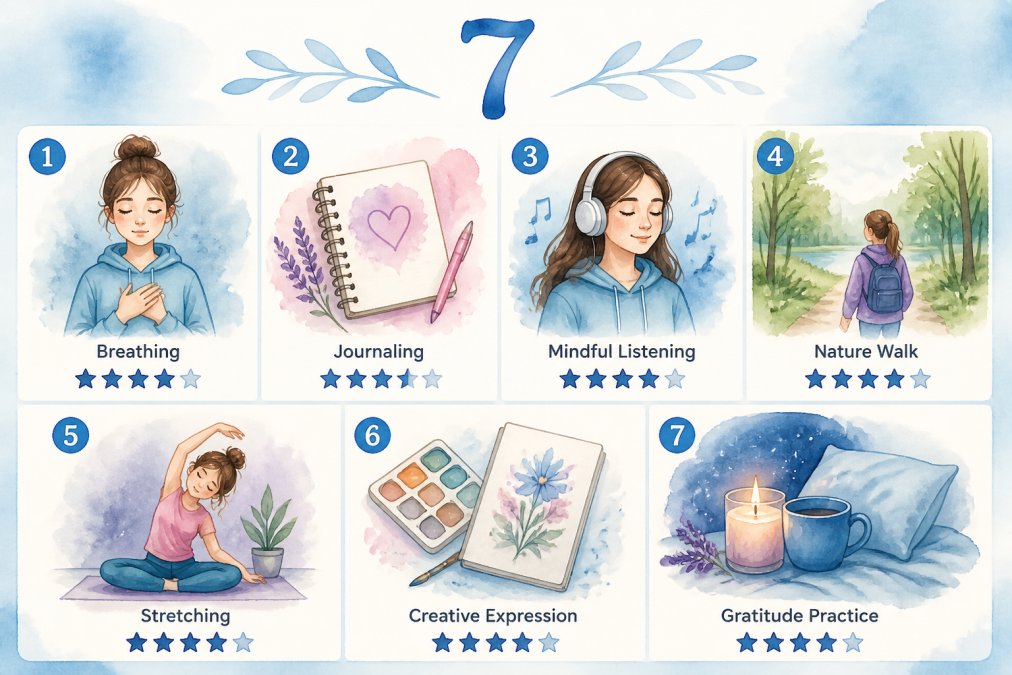
- Two minutes of deep breathing in the car before walking inside
- Three minutes of journaling one honest sentence about the day
- A short mindfulness pause before responding to a stressful text
- One positive affirmation you actually believe, said out loud
Consistency matters more than duration. A five-minute habit done daily outperforms a thirty-minute ritual you manage twice a month.
Realistic Self-Care for Busy Moms Who Don't Have Time for Bubble Baths
Realistic self-care for busy moms looks like sleep, boundaries, and movement, not spa days. But if you're skeptical, the useful question isn't what to do, it's why these three and not the other twenty things on the list. Here's the mechanism behind each, so you can decide for yourself whether it's worth your limited energy.
Sleep: The Only Lever That Compounds
Sleep is the foundation because it regulates the two systems that determine how you feel all day: the stress response (your body's alarm system) and emotional regulation (your ability to stay steady when a kid melts down at 7:45 a.m.). When sleep is short, the alarm system stays switched on and the steadying system runs low, which is why the same spilled juice that's a shrug on eight hours is a crisis on five.
The practical version: a consistent bedtime (same time within about 30 minutes), a dark room, and no screens for the last 20 minutes. That's it. You are not optimizing; you are protecting a floor.
Boundaries: The Math Is Simple
A boundary isn't a personality trait, it's an energy trade. Every obligation you accept costs a fixed amount of attention, and attention is the resource you're actually short on. Saying no to one thing frees the energy you were going to spend resenting it, which is the hidden tax most advice ignores.
Get the 3-step manifestation ebook now →
Movement: Dose Matters More Than Type
Movement works on mood through a few well-documented routes: it clears stress hormones, raises the neurotransmitters associated with reward and calm, and gives your nervous system a physical "off" switch after a stressful stretch. The dose that produces these effects is smaller than the fitness industry implies. A 10-minute walk counts. Two 5-minute walks count. The point isn't calorie burn, it's interrupting the stress cycle.
How a 10-Minute Manifestation Journal for Moms Cuts Through the Fluff
A 10-minute manifestation journal for moms works because it replaces vague intention with a written, time-boxed practice. Gratitude and visualization done on paper force specificity that thinking alone rarely produces.
Here's how to run a session that isn't woo-woo:
- Write three things that went right today, however small
- Name one thing you want to go differently tomorrow
- Picture that outcome for sixty seconds, then close the book
Low-Energy and Low-Budget Hacks for Stress Relief
Low-energy and low-budget stress relief starts with matching the technique to your actual capacity, not your aspirational one. On a depleted day, a twenty-minute meditation is a setup for failure. A two-minute breathing exercise is a win.
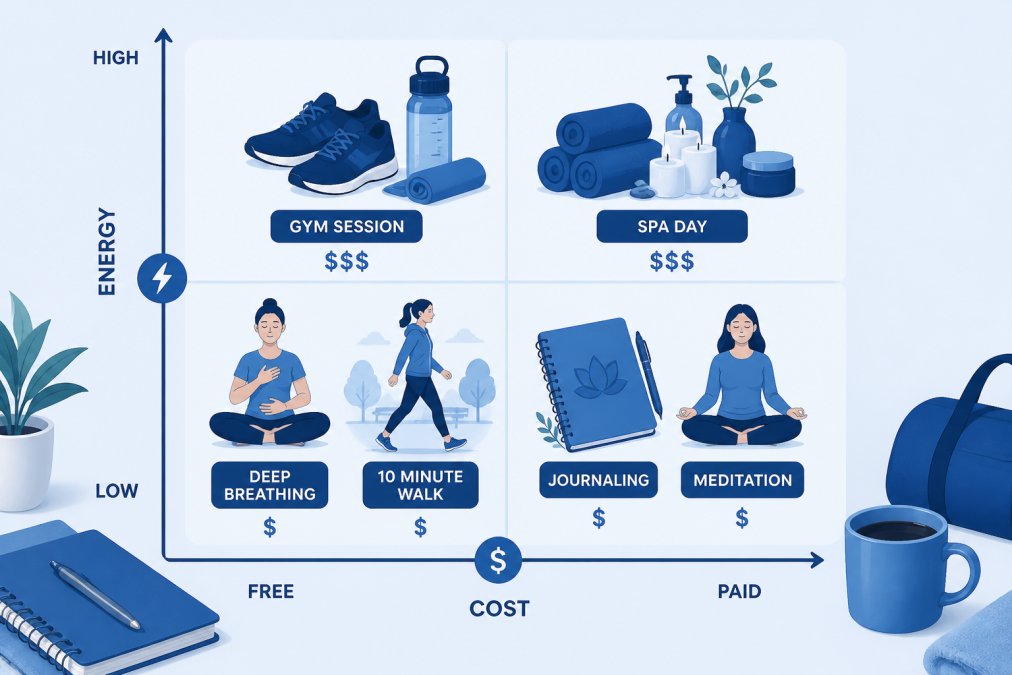
Building a Support System When You're Skeptical of Therapy Apps
Building a support system doesn't require an app subscription, and skepticism about therapy apps is reasonable. Many moms already pay for a meditation subscription, a planner, and a therapy app, then feel guilty for not using all three. The fix is fewer tools and more people, but the reason why is worth understanding, because it's the part most advice skips.
Why People Beat Apps
Human connection regulates the nervous system in a way a screen can't fully replicate. A familiar voice, eye contact, and the sense that someone knows your specific situation all trigger the same calming pathways that deep breathing does, but with the added benefit of feeling seen, which is the part burnout actually erodes. Apps can teach a technique. They can't provide the relational context that makes the technique stick.
A Concrete Protocol You Can Run This Week
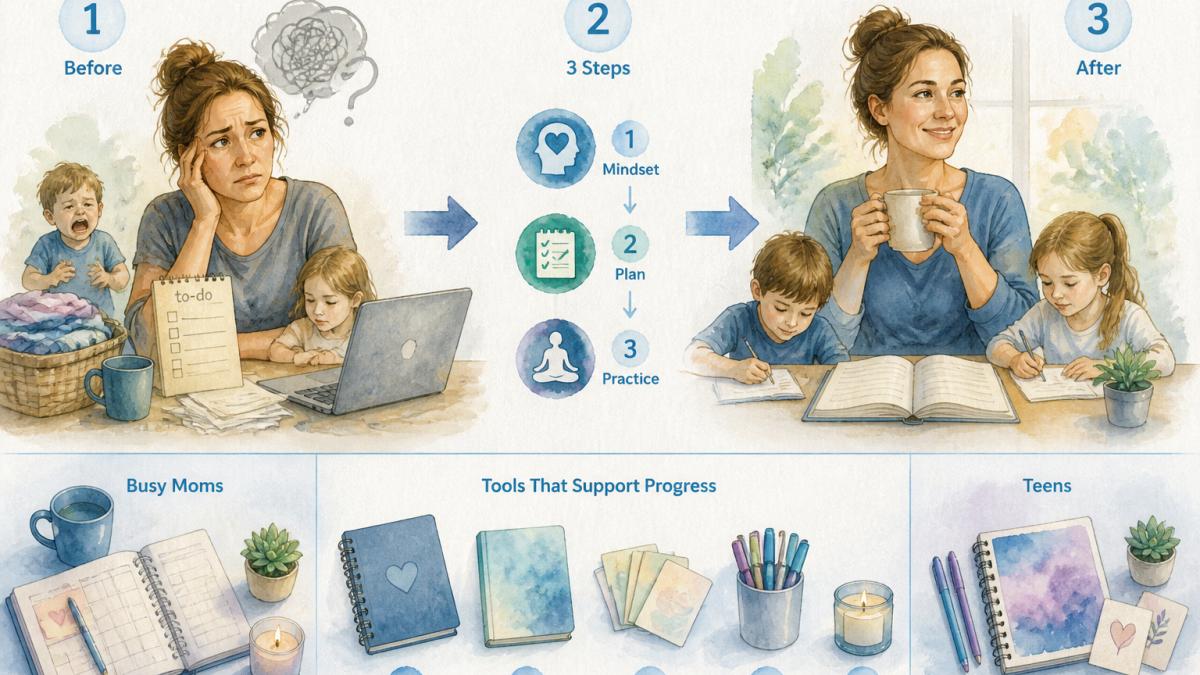
Skip the grand plan. Do these three things, in order, and stop when one works:
- One honest text. Pick one person, not your partner, not a parent, and send a message that names something real about your week. Not a complaint, not a request. Just the truth. Most moms discover they have more available people than they thought; they just never tested it.
- One recurring slot. Once the text lands, propose a fixed time: a weekly 20-minute call, a Saturday walk, a standing coffee. Recurring beats spontaneous because it removes the decision cost every week.
- One practical trade. Swap a task with another parent, school pickup, a carpool day, a batch of meals. This is the highest-leverage move because it converts connection into actual time back, which is the resource you were short on to begin with.
When a Tool Is Worth It
If you do want a structured tool, choose one that fits an existing 10-minute window rather than creating a new obligation. The U.S. Department of Health and Human Services maintains public resources on mental health support, which can help you tell the difference between a helpful tool and a subscription you'll cancel. The rule of thumb: if you can't describe in one sentence what the tool does and how you'd know it worked, it's not a tool, it's a purchase.
Conclusion: Progress Over Perfection
Perfectionism is the reason most self-care plans die in week two. You will miss days. You will skip the journal. You will snap at your teenager and feel terrible about it, and none of that erases the progress you've made.
Frequently Asked Questions
How do you practice self-care when you are naturally skeptical of 'wellness' trends?
Focus on methods with clear evidence and immediate utility. Instead of a 60-minute meditation, try a 2-minute deep breathing exercise or a quick journaling prompt. Look for structured, CBT-based tools like the 'Mind Over Mood' workbook, which offers logical, step-by-step exercises rather than abstract advice. The goal is to find what provides tangible stress relief, not to buy into a lifestyle.
What is the difference between toxic positivity and intentional habit building?
Toxic positivity demands you ignore negative emotions and 'just be grateful,' which can feel dismissive. Intentional habit building acknowledges your real feelings while creating small, consistent actions to manage them. It's about realistic self-care for busy moms, where you accept a messy day but still take five minutes for a 10-minute manifestation journal for moms to reset your mindset without pretending everything is perfect.
How can busy moms find time for personal growth without feeling overwhelmed?
The key is to lower the barrier to entry. Don't aim for a 30-minute routine; aim for a 3-minute one. Attach a new habit to an existing one, like doing a one-minute breathing exercise while your coffee brews. Using a structured tool like a 10-minute journal provides a clear, finite task, making it easier to start and finish without derailing your entire day.
What are the signs of depleted mother syndrome?
Signs include persistent exhaustion not relieved by sleep, feeling emotionally numb or easily irritated, losing interest in activities you once enjoyed, and a sense of going through the motions. You might feel overwhelmed by simple tasks or experience a mental load that feels impossible to carry. These are signs of burnout, not personal failure, and they signal a need for realistic, low-effort stress relief strategies.